
Research
Neural Decoding of Imagined Music
A machine learning framework for EEG-based audio feature reconstruction
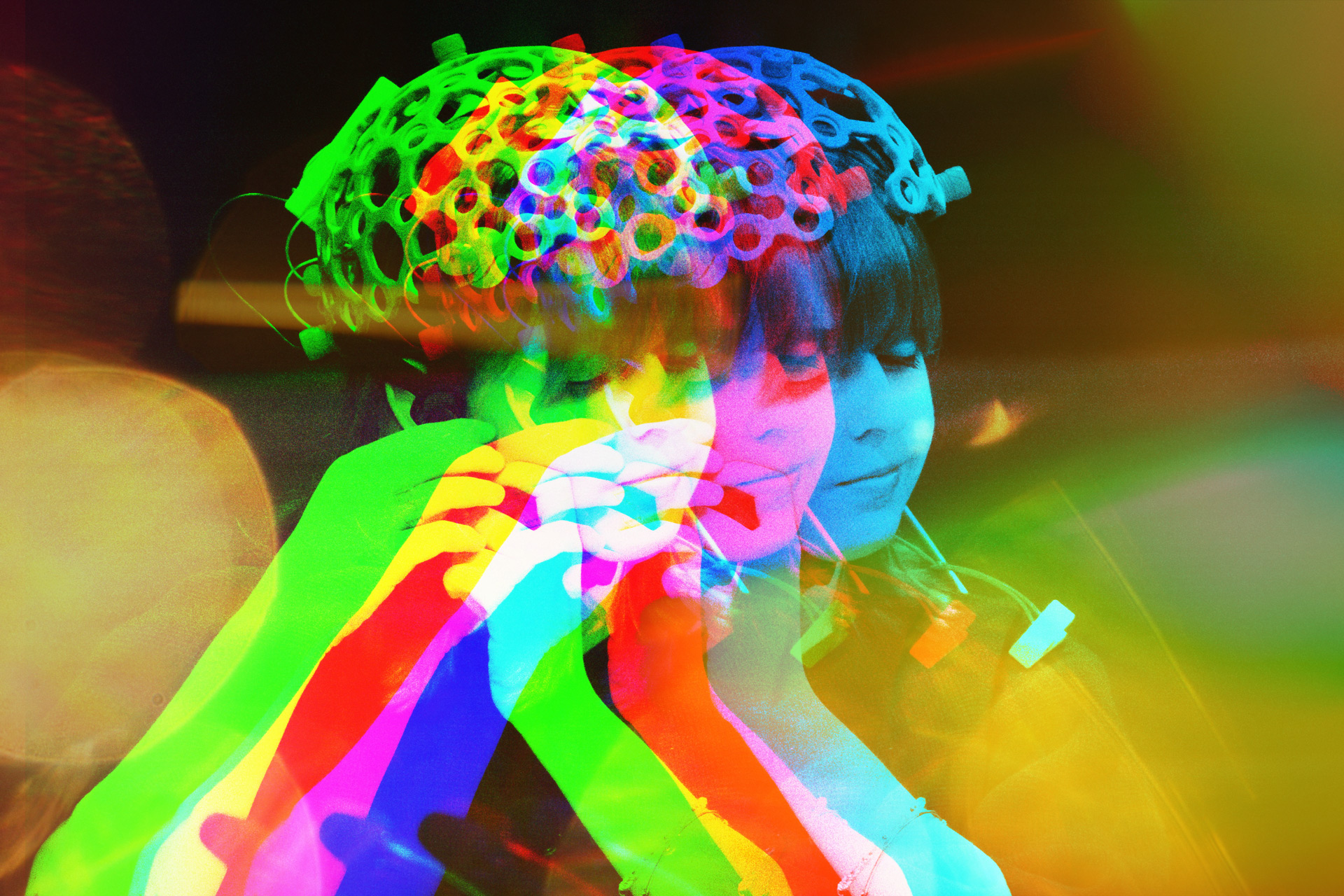
Claire Southard’s master’s thesis explored whether imagined music could be interpreted from noninvasive electroencephalogram (EEG) brain recordings by identifying features such as rhythm and pitch directly from brain activity.
She developed computational models that learned the relationship between patterns in brain signals and musical features, allowing elements of imagined music to be reconstructed. By combining machine learning, neuroscience, and music technology, her research represents an early step toward helping musicians with physical limitations to continue creating music—if not with their hands, then with their minds.
Related Events

Related News

Music on the Brain
Graduate student Claire Southard ’25 explores new frontiers in music technology.

Inaugural Music Technology Research Showcase celebrates work of new graduate program’s initial students
Associate Professor Anna Huang delivers the keynote address, “In Search of Human-AI Resonance,” to a capacity crowd.
Related People

Claire Southard
SM '26

Mark Rau
School of Engineering Gale Career Development Professor
Assistant Professor of Music
Assistant Professor of Electrical Engineering and Computer Science